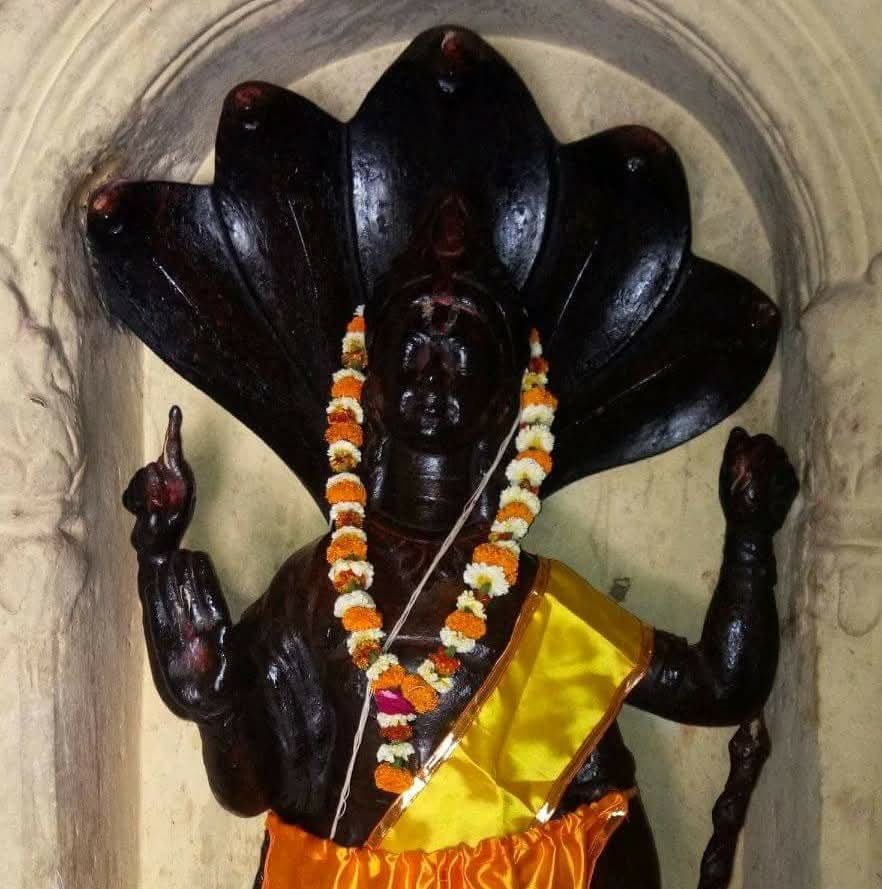
The Sacred Site of Lord Buddha’s Penance
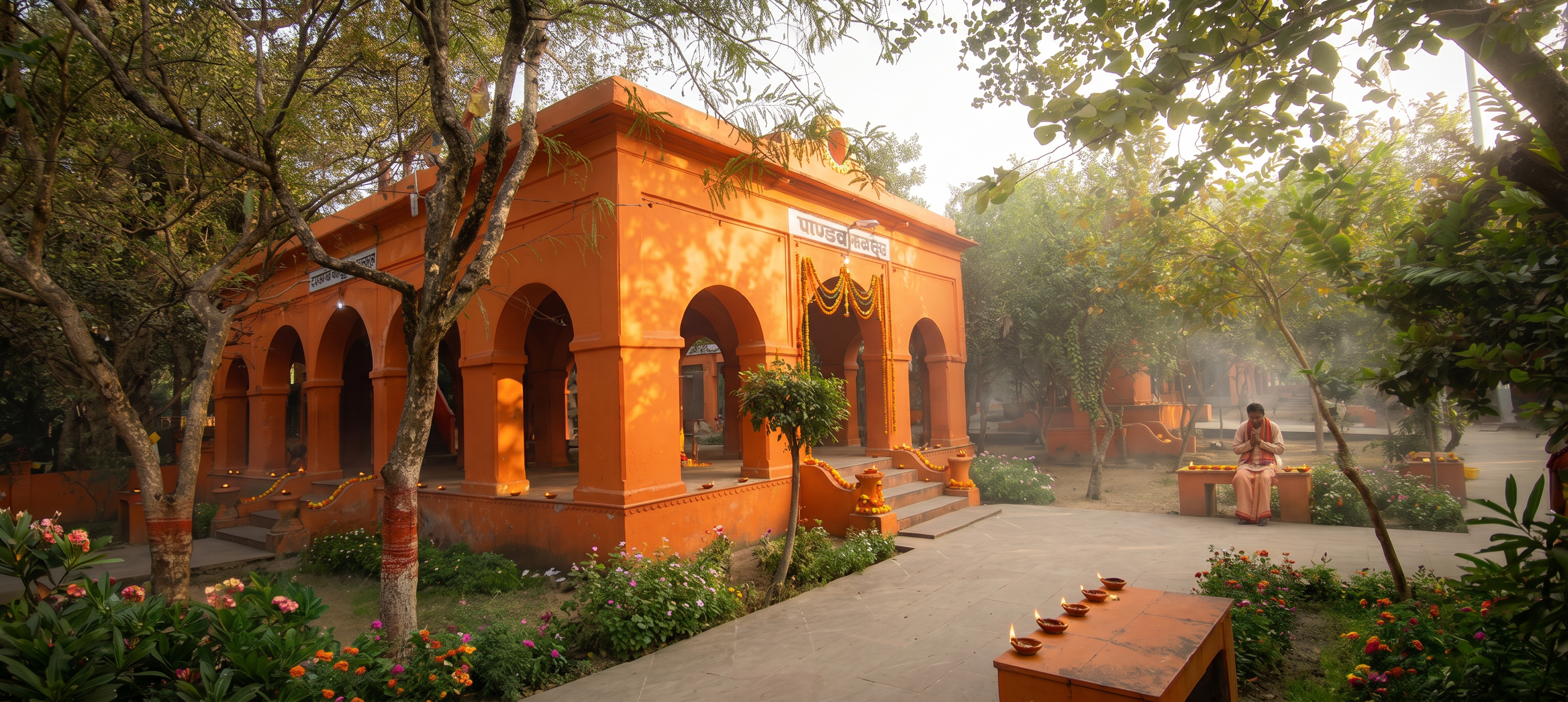
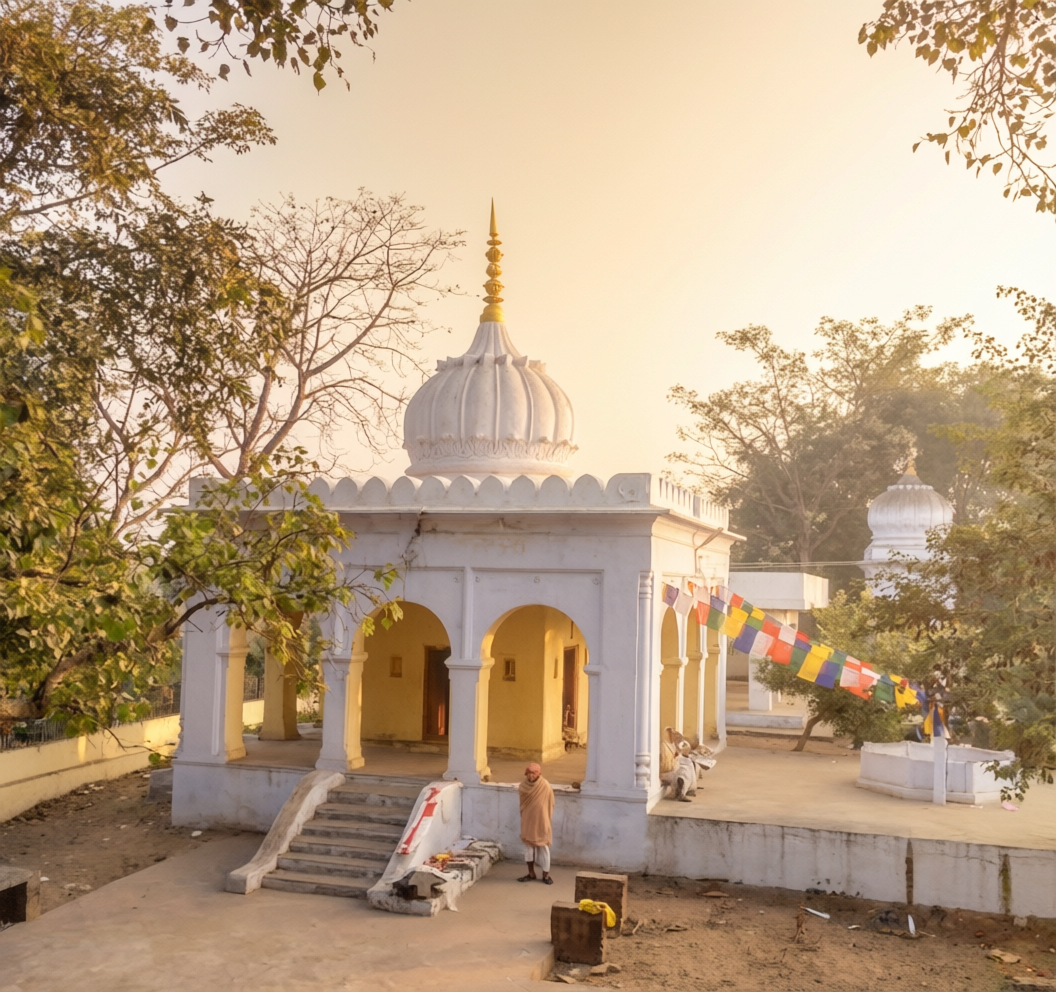
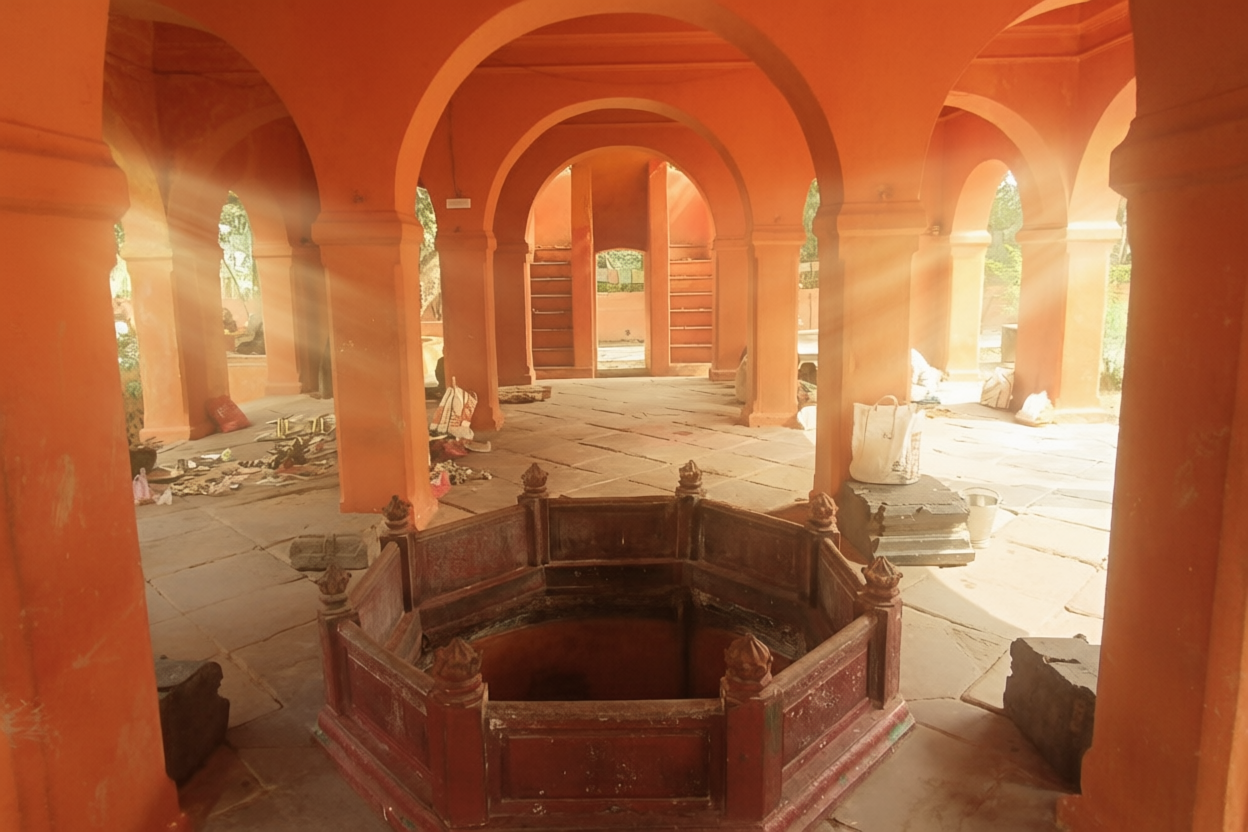
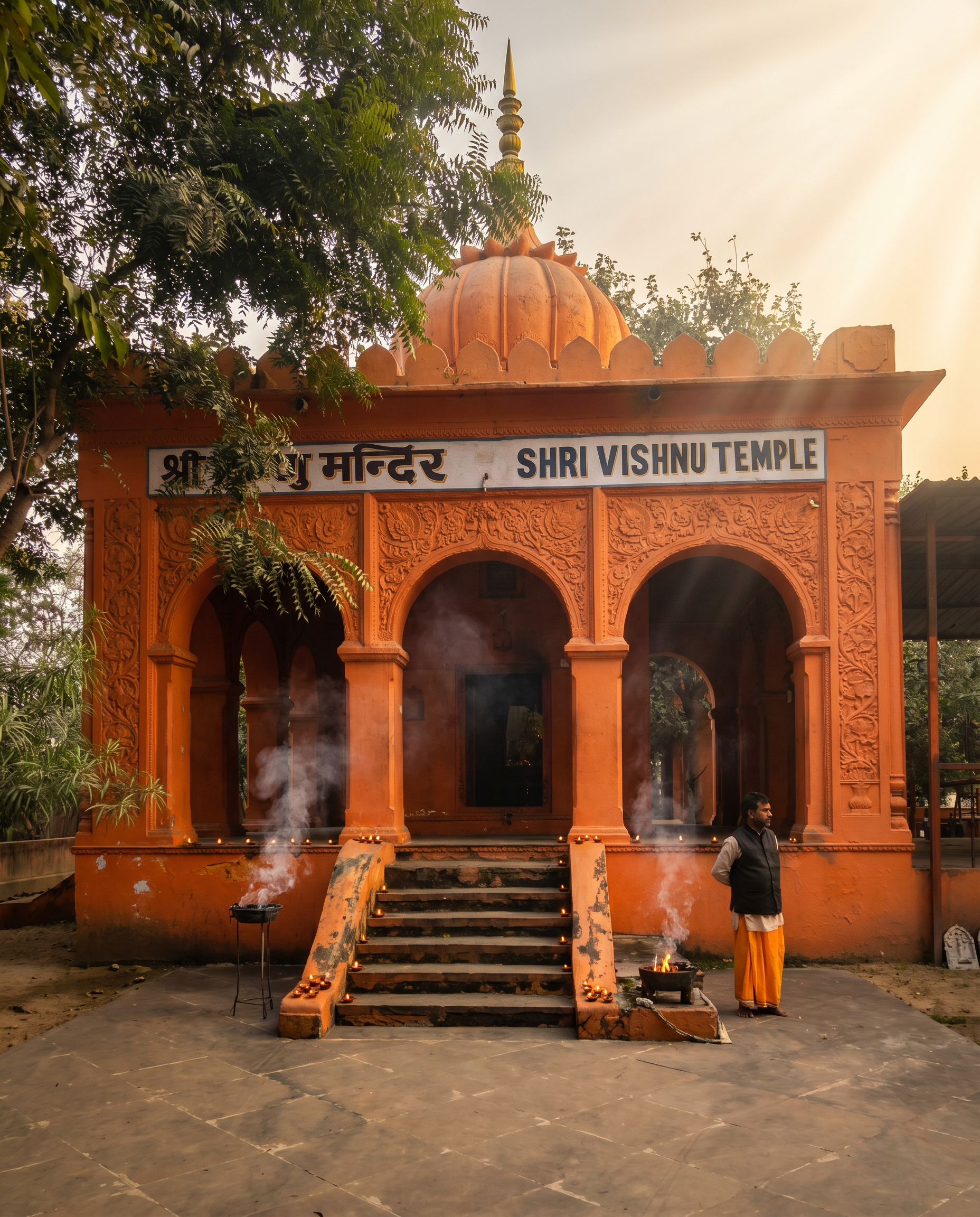
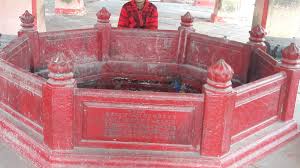
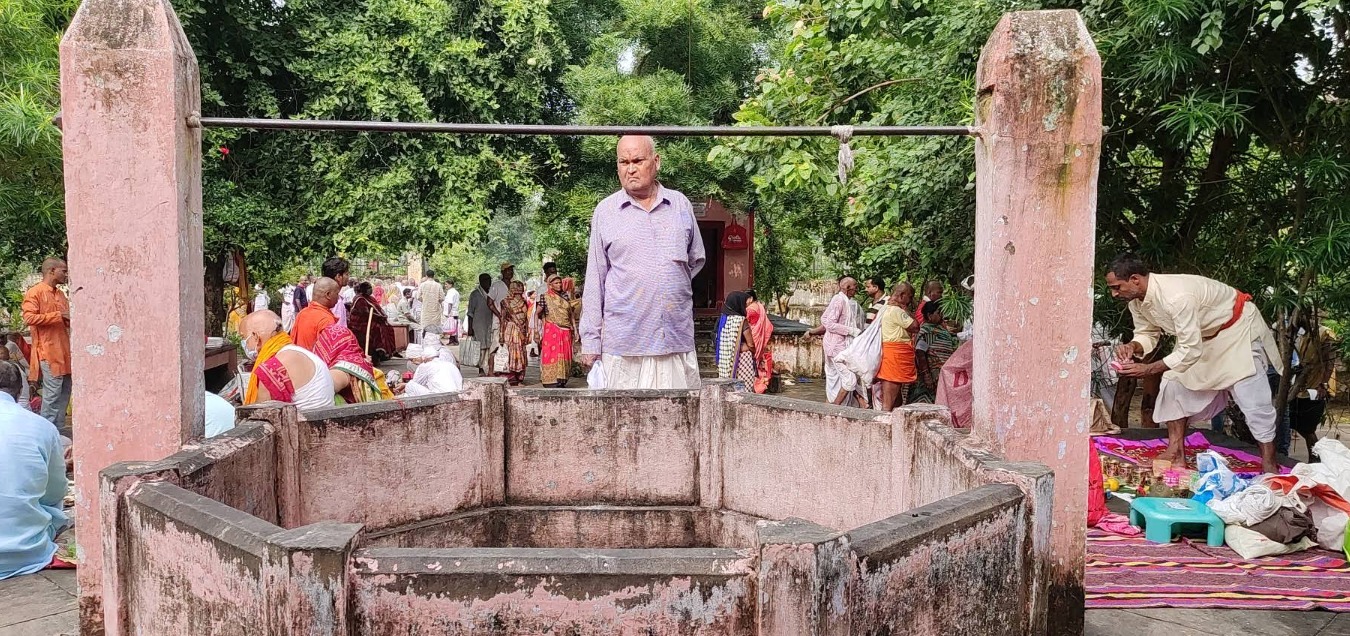
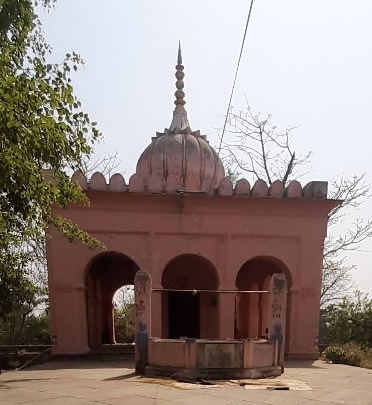
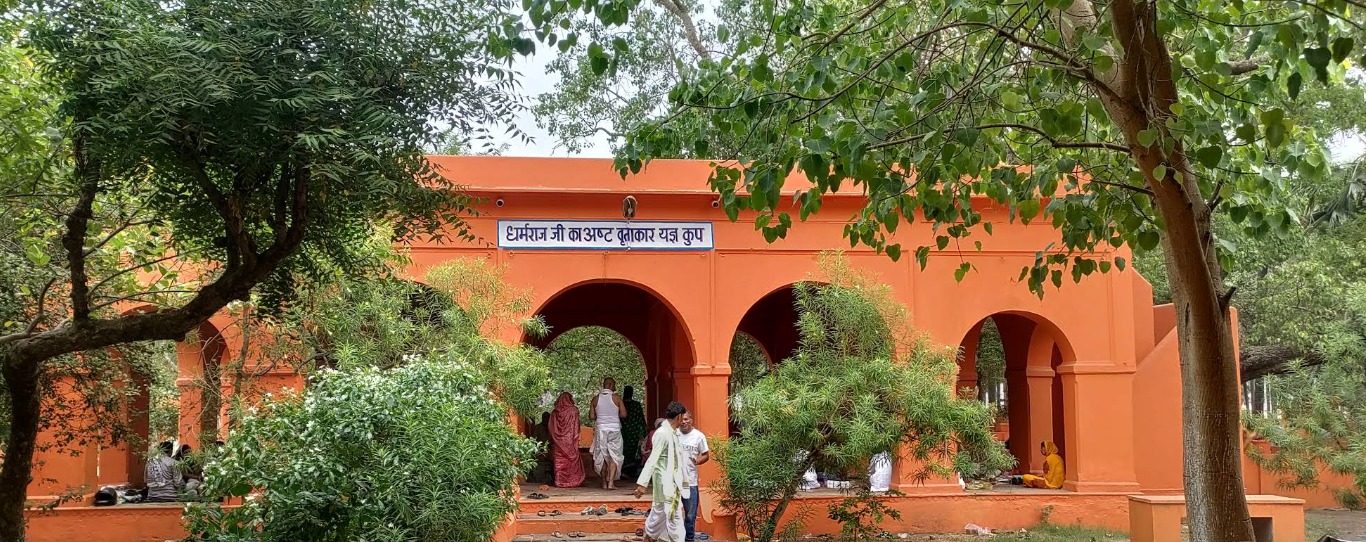
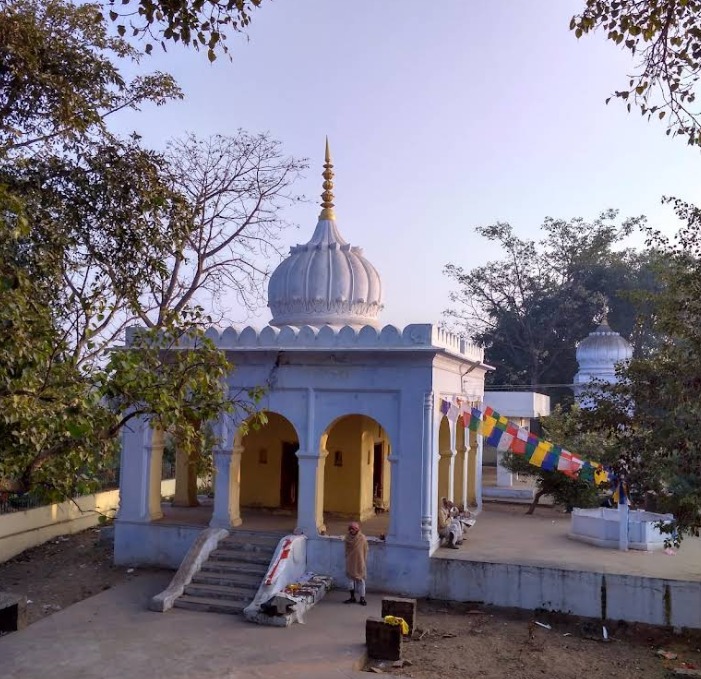
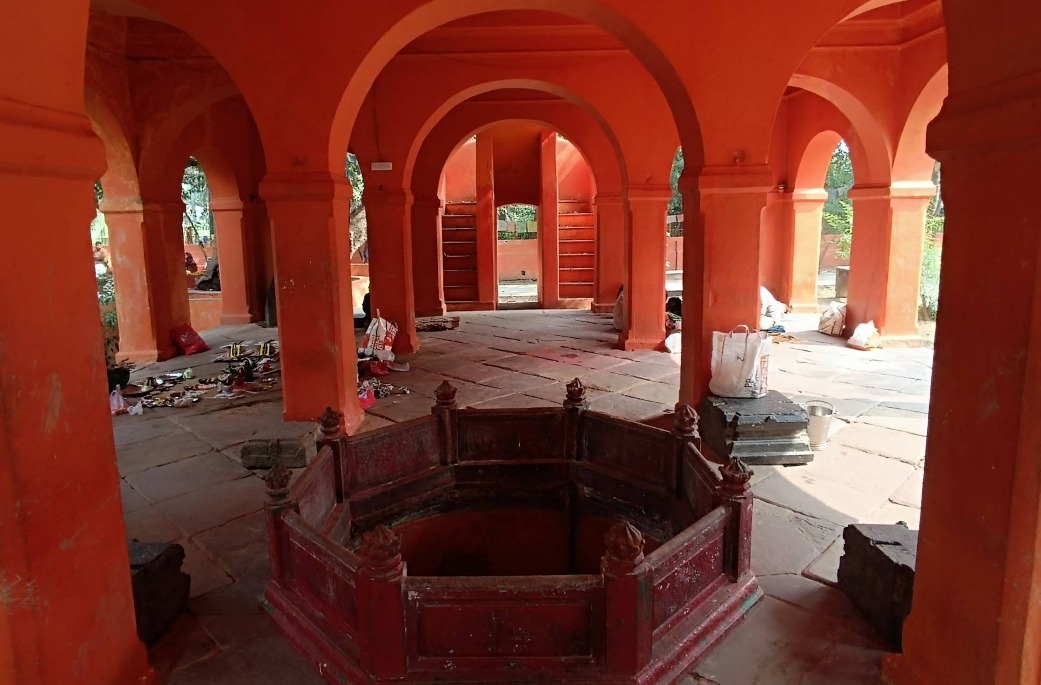
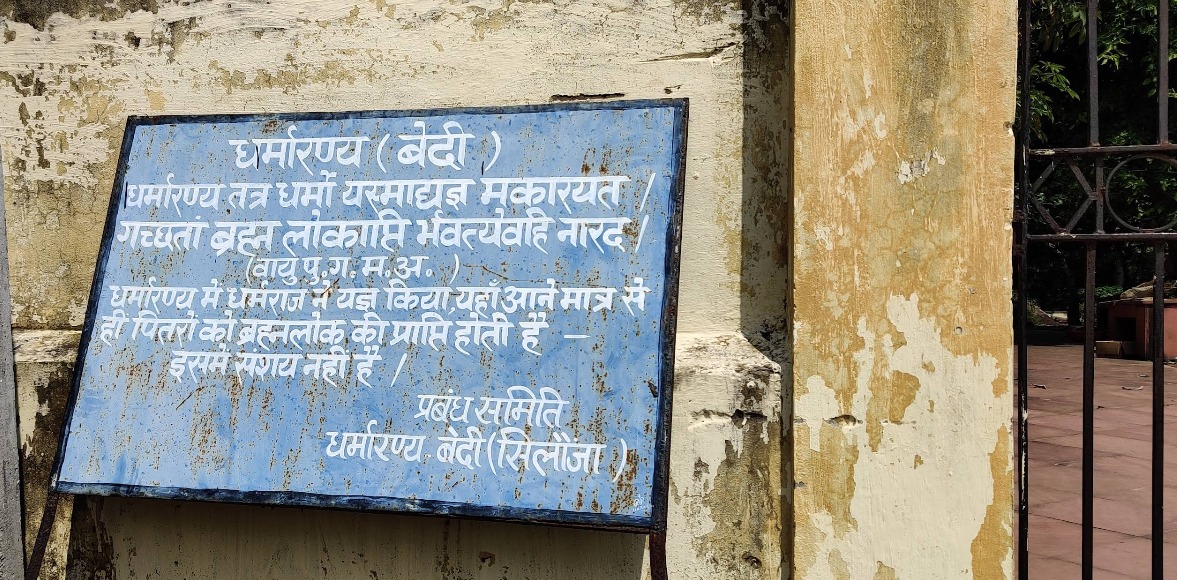
According to Buddhist traditions and ancient beliefs, Lord Gautama Buddha visited this sacred place nearly 2,600 years ago during the 6th century BCE, at the auspicious time of the holy month of Vaishakh. It is believed that he performed intense meditation, austerities, and spiritual practices for almost six years within the serene surroundings of the Dharmaranya Vedi Temple. However, enlightenment was not attained at this sacred site.
A short distance from this place lived Queen Sujata of Senani village. She had made a heartfelt vow that if she were blessed with a son, she would offer sacred kheer (sweet rice pudding), prepared from the milk of one thousand cows, to a great ascetic Brahmin. In due course, Queen Sujata was blessed with a son, filling her heart with immense joy and gratitude. To fulfill her vow, she announced throughout her kingdom her desire to offer a sacred meal to a holy sage.
At that time, a handmaiden from the royal palace informed the Queen about a great ascetic who had been deeply engaged in severe penance and meditation for many years in the nearby forest. She suggested inviting him to receive the offering. However, she also humbly advised that the ascetic was immersed in profound meditation and should not be disturbed. Hearing this, Queen Sujata decided to visit the sacred site personally.
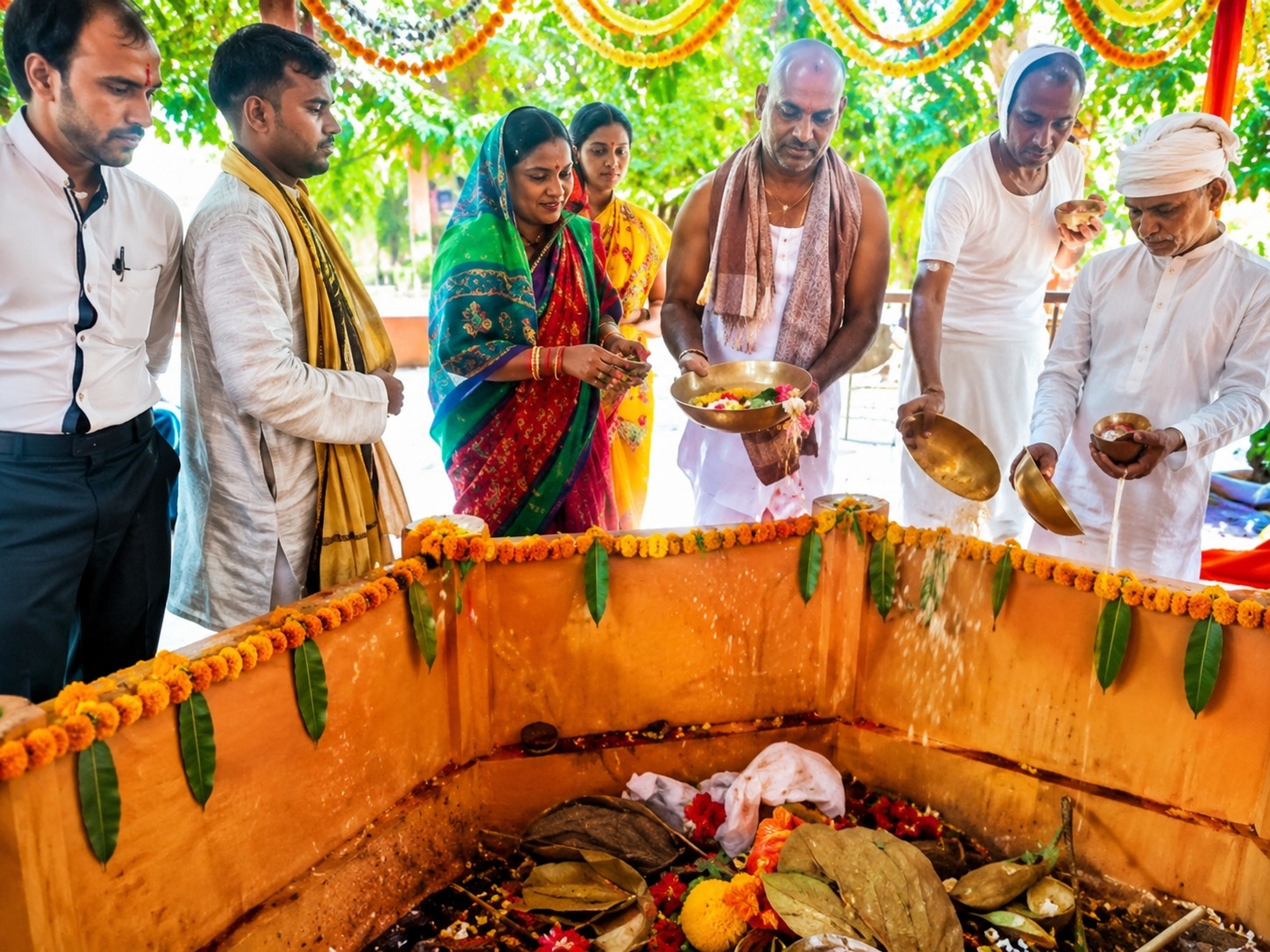
Upon arriving there, Queen Sujata respectfully bathed Lord Gautama Buddha with Panchagavya—the sacred blend of five holy cow products—and worshipped him with great devotion and reverence. At that very moment, Lord Buddha emerged from his deep meditation and saw the devoted Queen offering her prayers before him.
Lord Buddha gently asked,“O Noble Lady, what do you seek, and why do you worship me?”
With folded hands and deep humility, Queen Sujata replied,“O Lord, I wish to offer you this sacred meal.”
The Divine Blessing of Queen Sujata and the Enlightenment of Lord Buddha
In fulfillment of her sacred vow, Queen Sujata prepared a special kheer (sweet rice pudding) of exceptional purity and nourishment. According to tradition, the milk of one thousand cows was successively refined and filtered to create this holy offering. At that time, Lord Gautama Buddha had endured prolonged fasting and severe ascetic practices for many years, and therefore found it difficult to consume solid food. Nevertheless, with humility and reverence, he accepted and partook of the sacred kheer offered by Queen Sujata.
After completing the meal, Lord Buddha attempted to return the vessel to Queen Sujata. However, with folded hands and deep devotion, she humbly said,“O Lord, I have already dedicated this vessel to you as a sacred offering. I cannot accept it back.”
Thereafter, Lord Buddha proceeded to the river for purification and gently released the vessel into the flowing waters. To his amazement, the vessel began to move against the current of the river—a miraculous sight that filled him with profound wonder and spiritual realization.
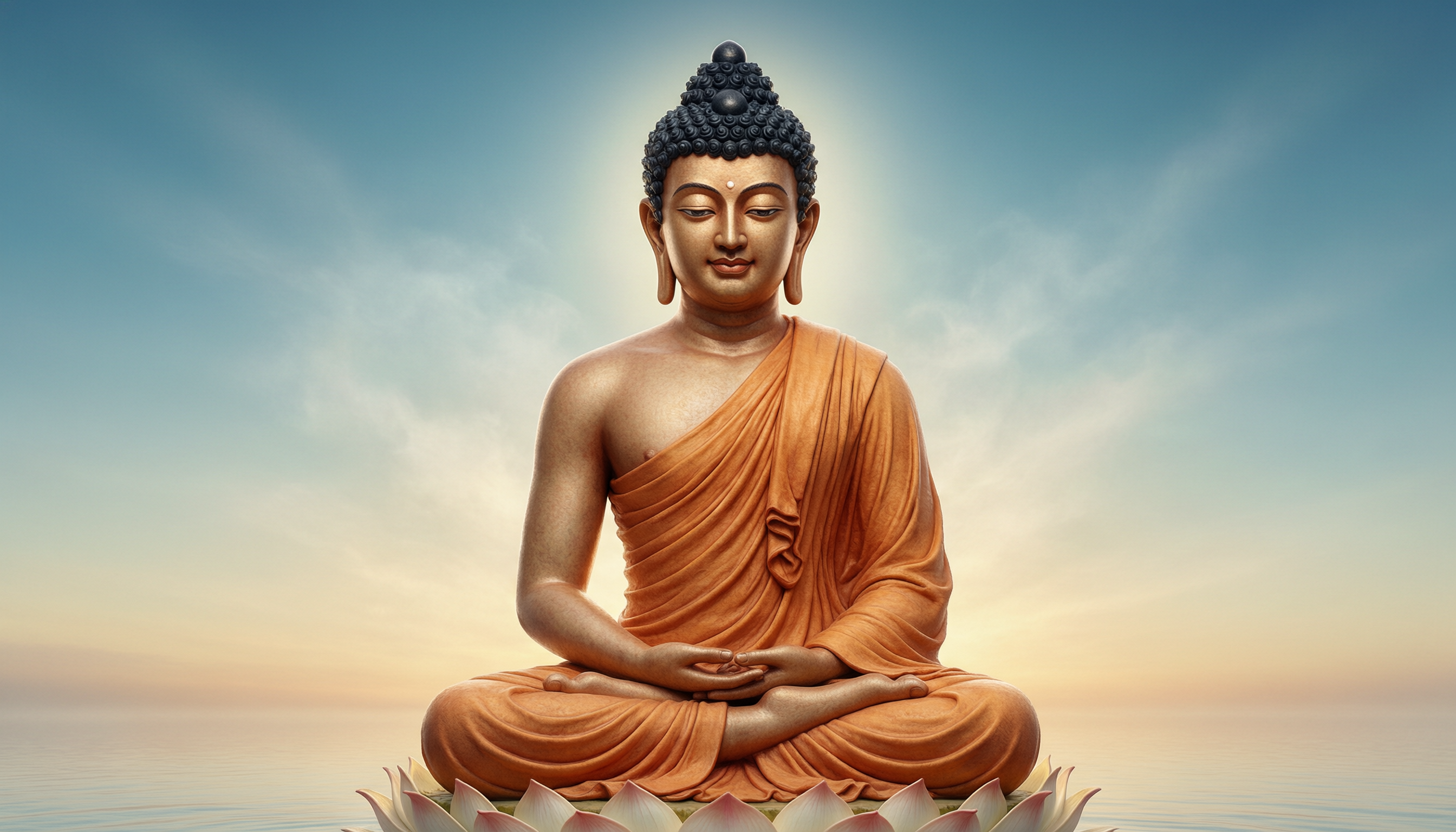
Soon afterward, Lord Buddha departed from this sacred place and journeyed toward Bodh Gaya. There, after receiving a bundle of sacred Kush grass from a Brahmin, he seated himself beneath a holy Peepal tree and entered into deep meditation. On the 49th day of his intense penance and spiritual practice, during the auspicious occasion of Vaishakh Purnima, he attained supreme enlightenment and became known to the world as “The Buddha” — the Enlightened One.
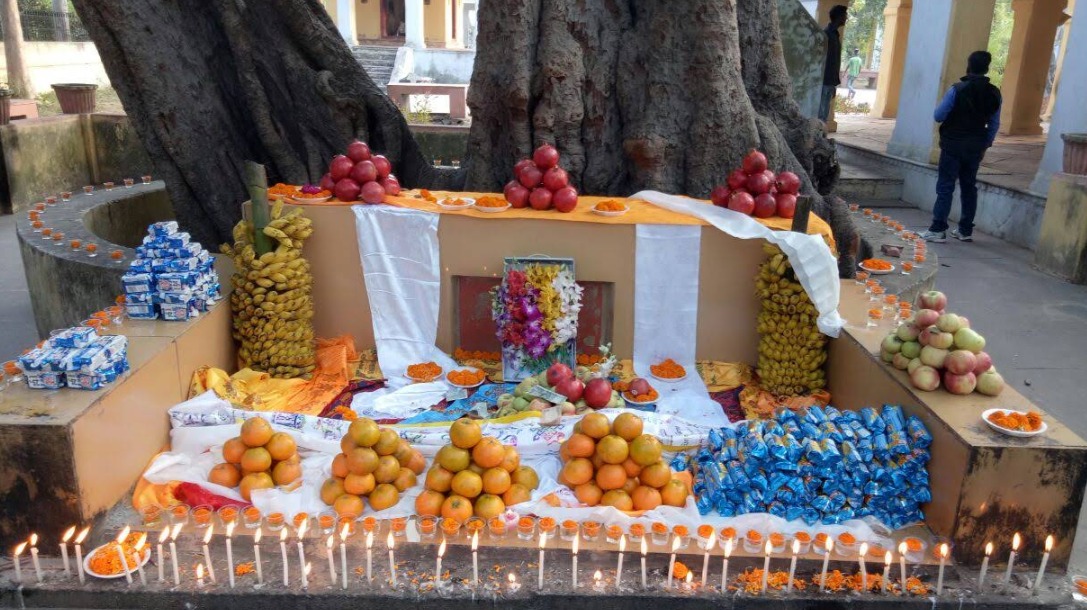
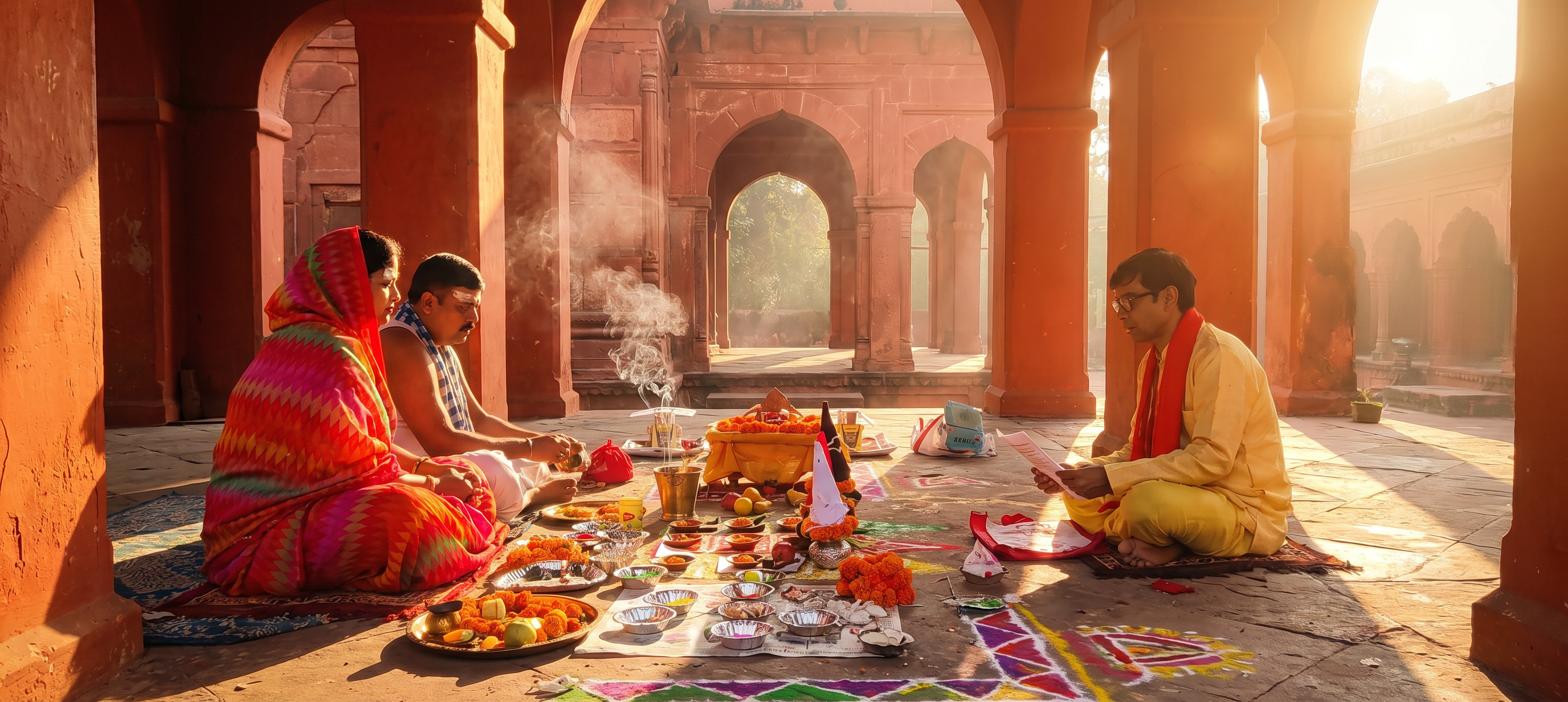
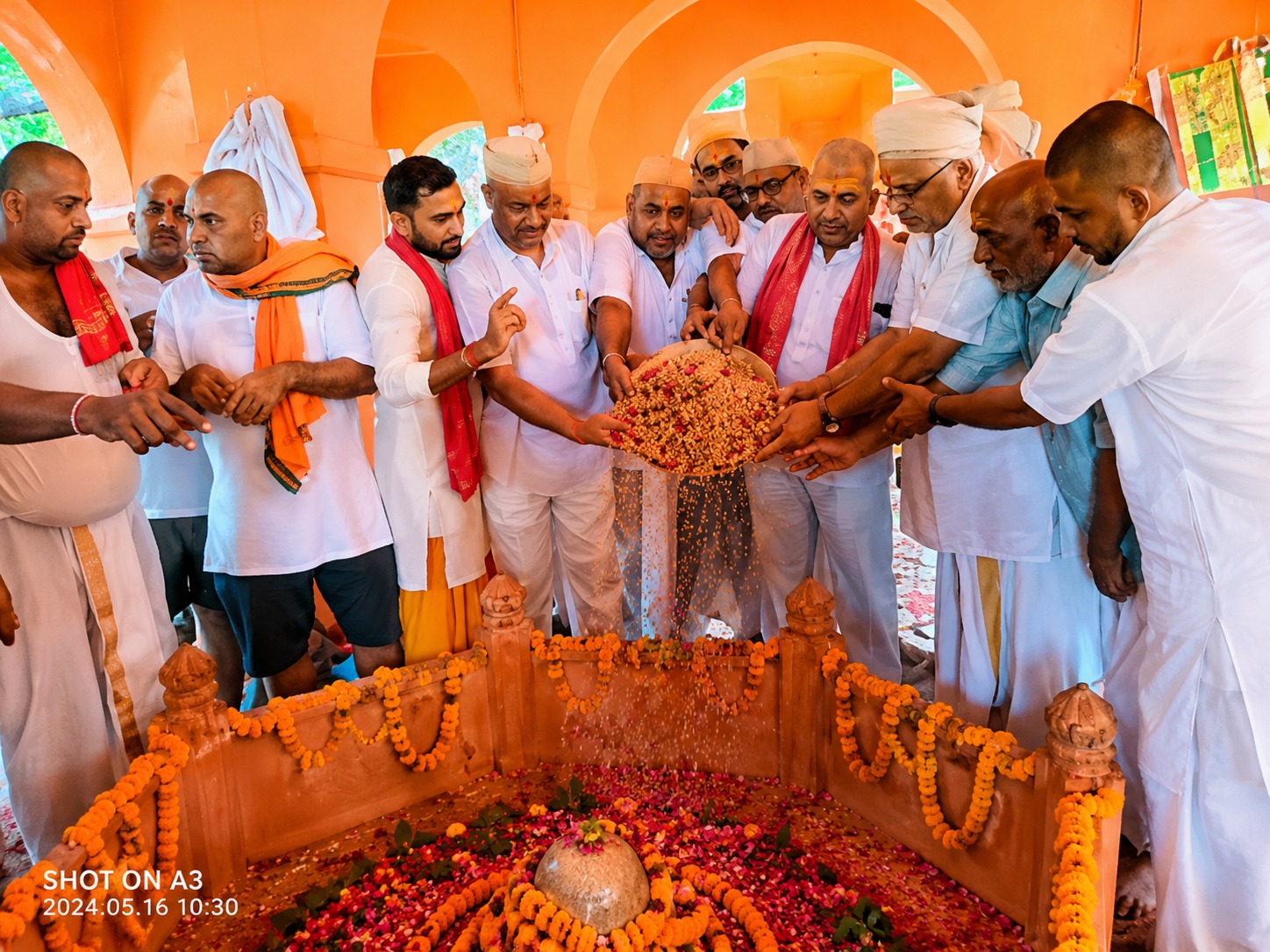
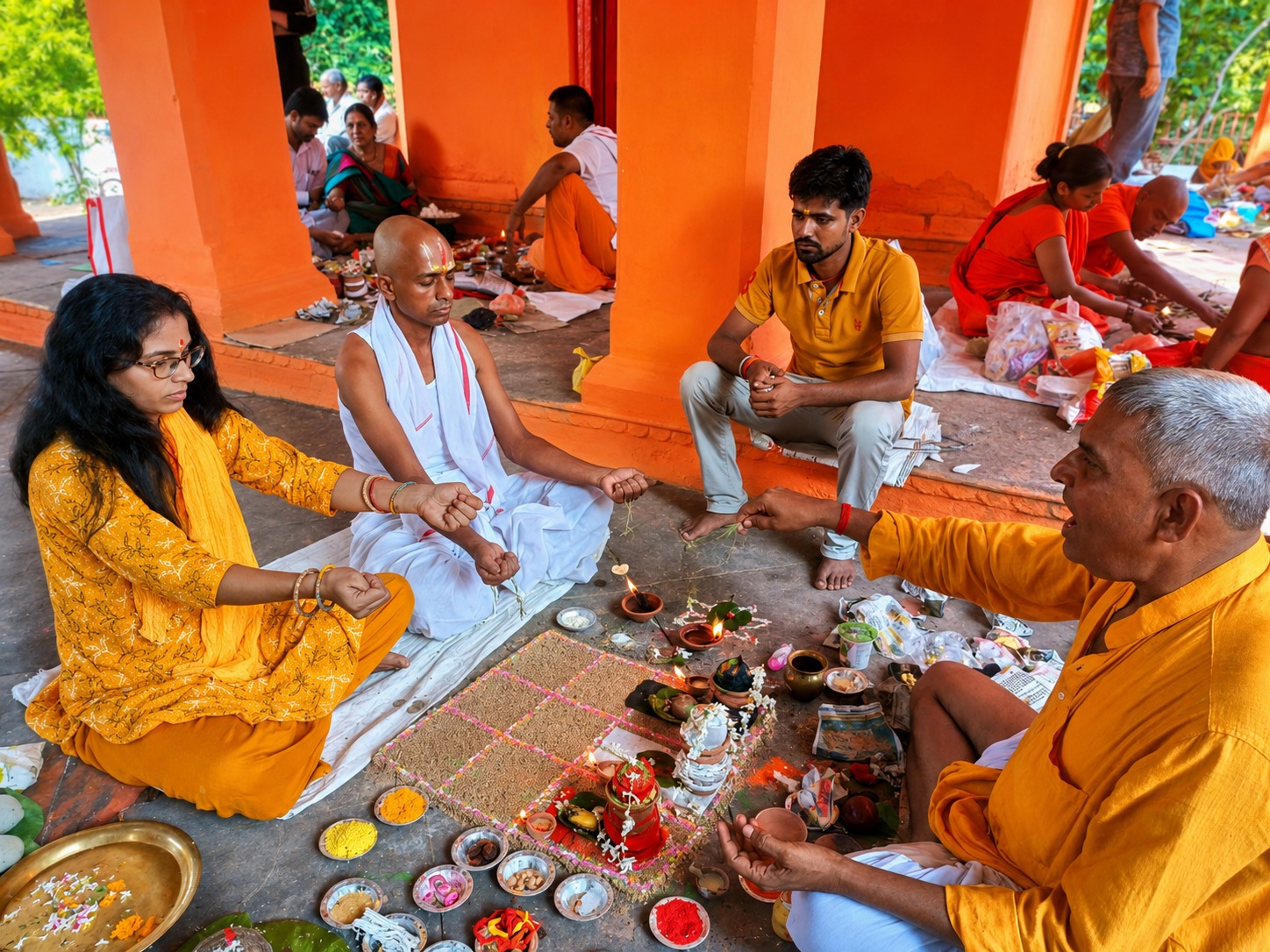
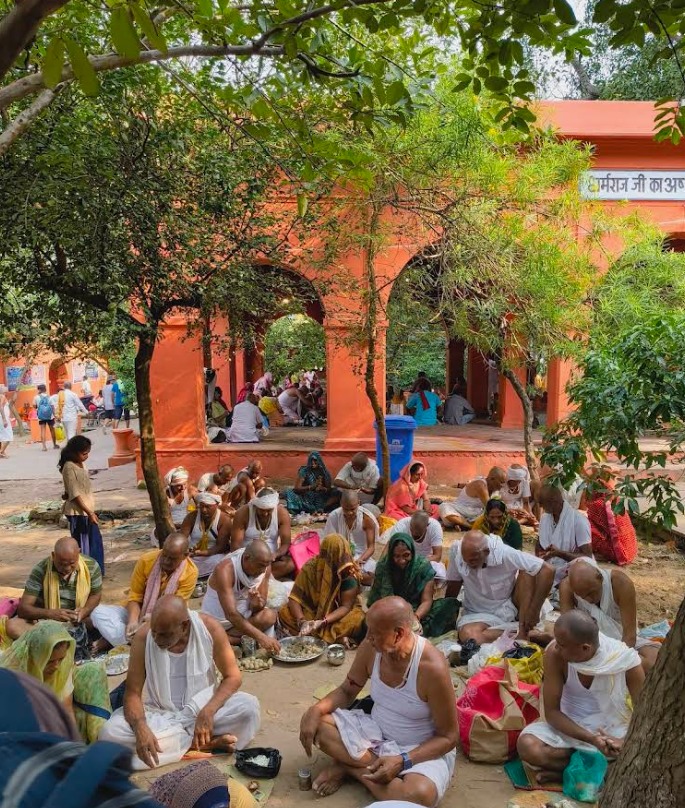
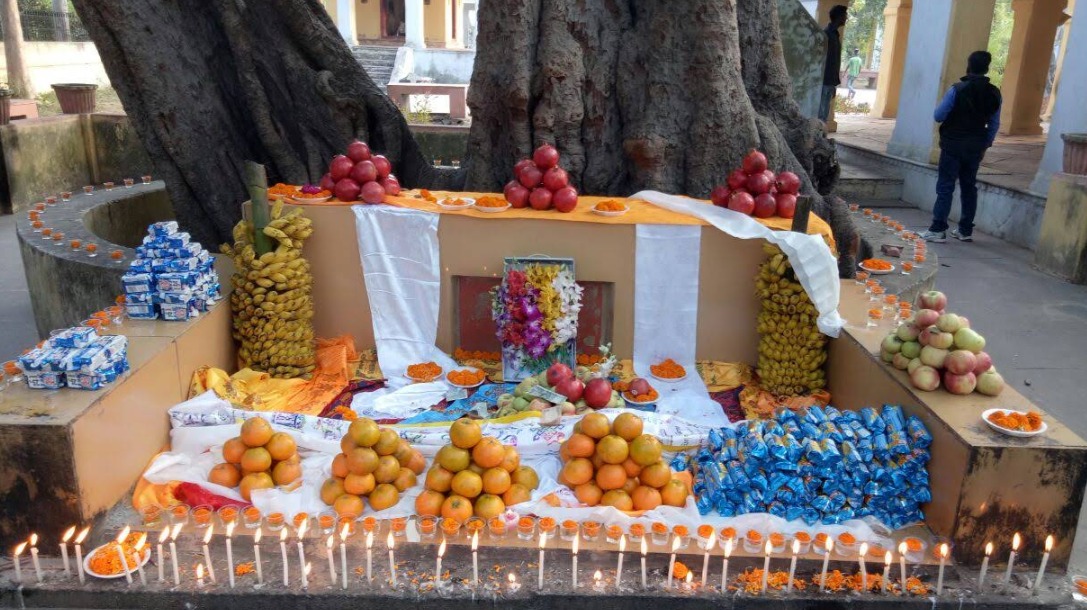
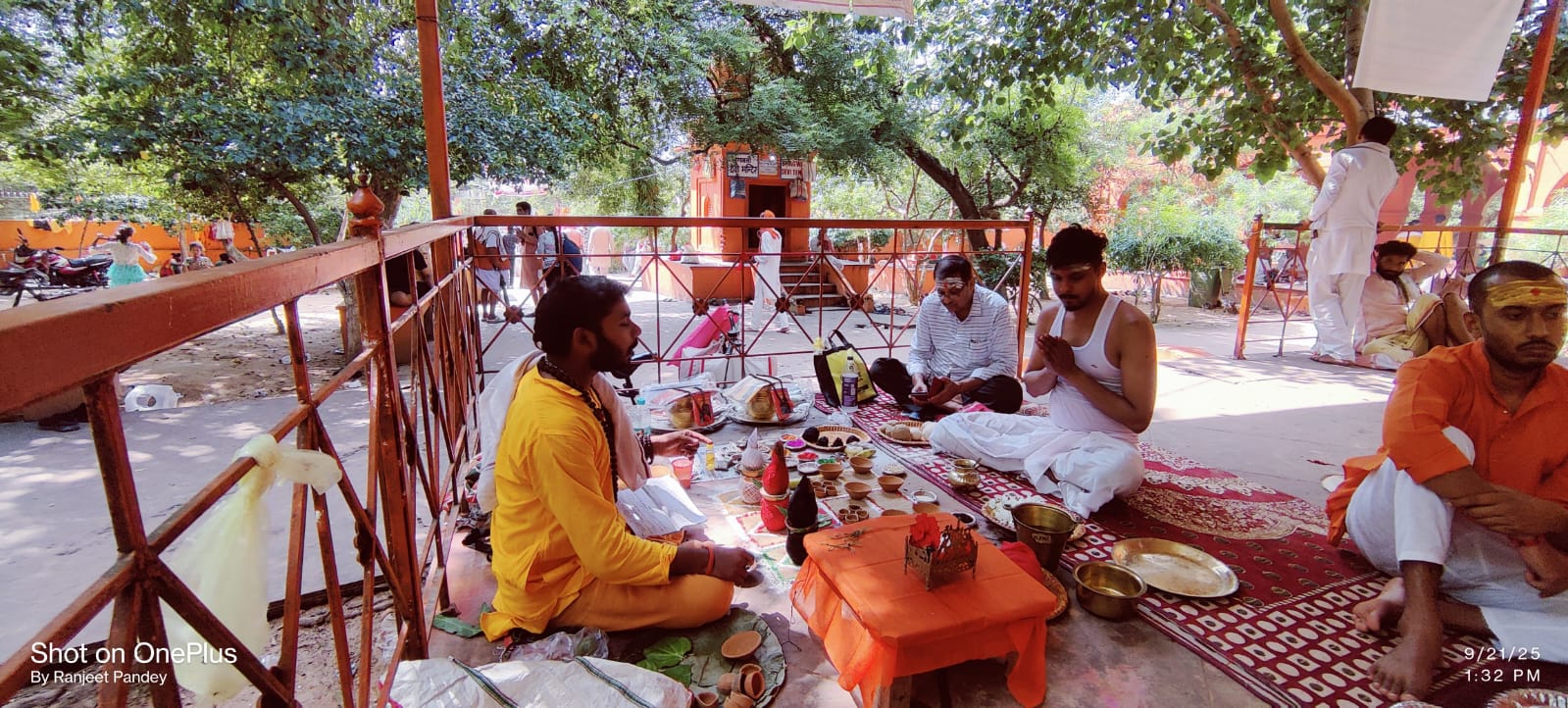
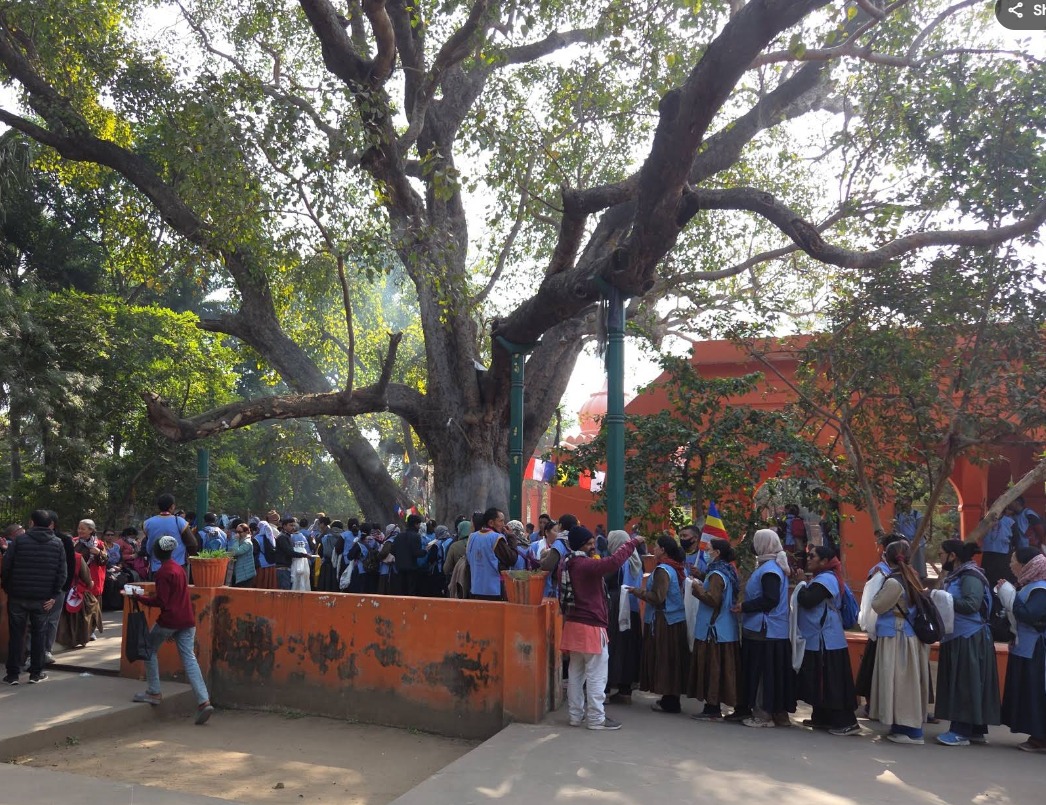
Since ancient times, this sacred site has been revered as a divine center of faith, devotion, penance, and spiritual awakening. Devotees firmly believe that anyone who worships here with a pure heart and sincere prayers begins to experience positive transformation, peace, and divine blessings from the 49th day onward